Understanding Naira Depreciation
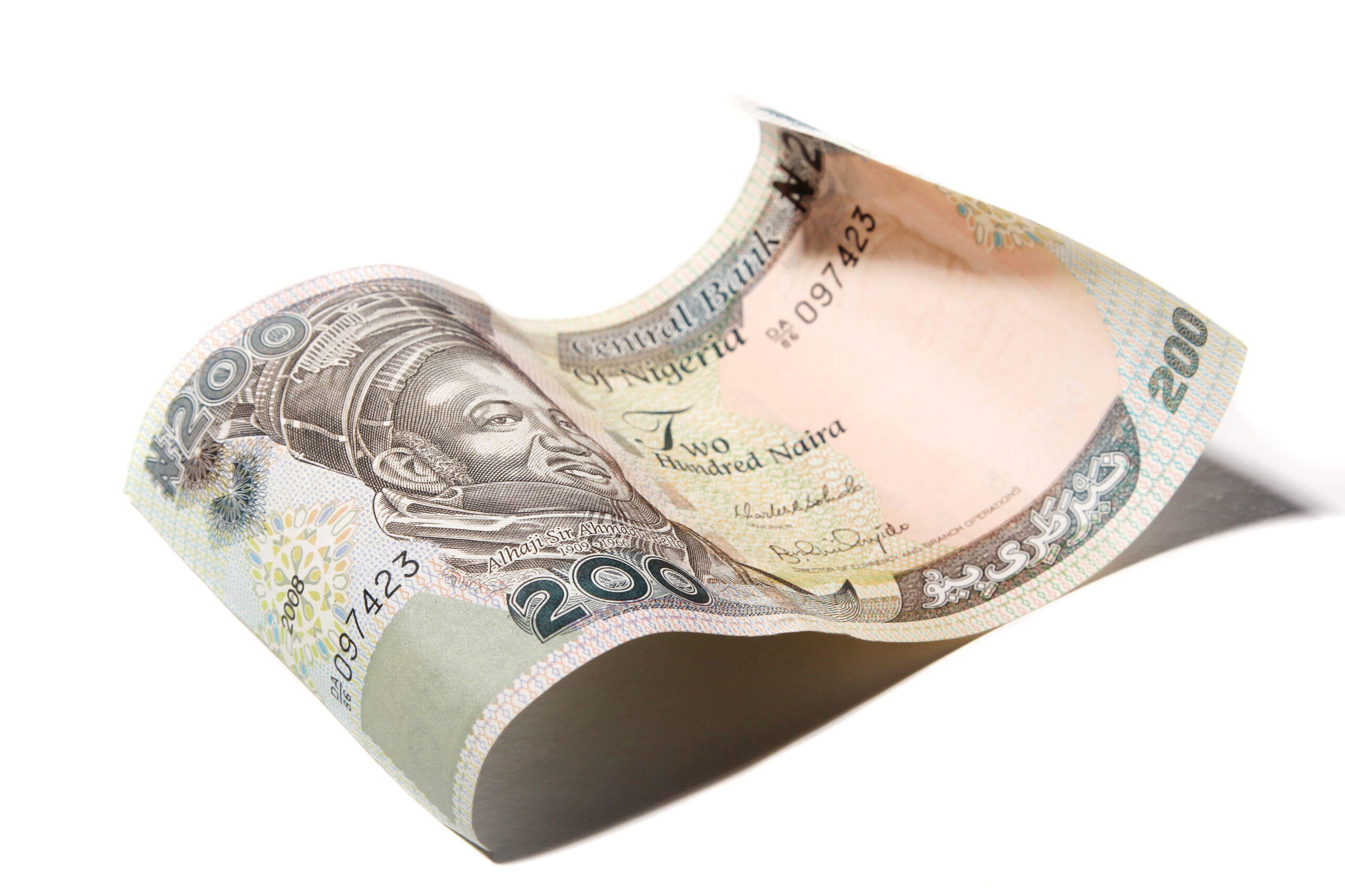
Naira depreciation happens when the currency loses value relative to foreign currencies like the US dollar, British pound, or euro. When this takes place, imports become more expensive, inflation rises, and savings lose purchasing power. The various factors which lead to naira devaluation include high inflation rates, heavy dependence on imports, low foreign exchange reserves, declining oil revenue and policy changes by the Central Bank of Nigeria.
When the naira weakens, ₦100,000 today may not buy what ₦100,000 bought a year ago. This is why cash savings alone are no longer safe. Traditional savings accounts often offer interest rates far below inflation. If inflation is 25% and your savings account earns 5%, you are effectively losing 20% of your money’s value annually. Therefore, to protect your wealth, you must think beyond conventional saving and adopt various value-preserving strategies, some of which include:
1. Diversify Into Foreign Currency Assets
One of the most effective ways to protect your finances against naira depreciation is to hold part of your wealth in foreign currencies. You can open domiciliary accounts (USD, GBP, EUR), foreign currency fixed deposits and or use legitimate online platforms that allow dollar holdings, because foreign currencies tend to be more stable and often appreciate compared to the naira. While this doesn’t eliminate risk entirely, it significantly reduces exposure to local currency depreciation.
Note: Avoid illegal forex dealings. Always use regulated banks and licensed platforms.
2. Invest in Real Assets
Real assets hold intrinsic value and often rise with inflation. Examples of real assets include land, real estate, farmland, agricultural assets and other physical business assets. Property values and rents tend to increase as inflation rises, making real estate one of the strongest inflation hedges in Nigeria. Even modest investments in land outside major cities can provide long-term protection.
3. Consider Dollar-Based and Inflation-Hedged Investments
Many Nigerians now invest in assets priced in dollars to escape local currency risk.
Options include:
These investments not only protect against naira depreciation, but also provide exposure to global growth opportunities.
4. Start or Invest in a Business With Pricing Power
Businesses that can adjust prices easily tend to survive inflationary environments better because if their income rises with inflation, naira depreciation becomes less damaging to their operations.
Strong business categories include:
-
Essential goods and services
-
Import-export businesses
-
Digital services with foreign clients
-
Agriculture and food processing
5. Invest in Skills That Pay in Foreign Currency
One of the smartest ways to protect your money is to protect your earning power. High-demand skills that attract foreign clients include software development, UI/UX design, digital marketing, copywriting and data analysis. Earning in dollars while spending in naira creates a powerful financial advantage. Even small foreign income streams can dramatically improve financial stability.
6. Use Gold and Commodities as a Store of Value
Gold has historically been a hedge against inflation and currency devaluation. While prices can fluctuate, gold often retains value during economic uncertainty.
Ways to invest in Gold:

Image by Erik
7. Avoid Long-Term Idle Cash
Holding large amounts of naira without a plan is one of the sure ways to lose value. There are better options such as rotational investments or short-term money market funds. Liquidity is important—but too much idle cash is costly in a high-inflation economy.
8. Reduce Debt Exposure During Currency Weakness
Naira depreciation often leads to higher interest rates. High-interest debt can quickly get out of control. Make sure you avoid unnecessary consumer loans, pay down high-interest debts early and be cautious with foreign currency loans unless you also generate income in foreign currency.
9. Stay Informed and Financially Educated
Economic policies change quickly. Staying informed helps you adjust early rather than react late. Follow monetary policy updates, inflation and exchange rate trends, and investment education platforms, because knowledge is one of the most underrated financial assets.
Mistakes To Avoid During Devaluation
-
Panic-buying assets without research
-
Falling for forex or crypto scams
-
Converting all savings into one asset
-
Ignoring diversification
-
Waiting too long to act
Remember, protecting your money is about strategy, not panic.
Conclusion
You can make depreciation work for you. of course, It is be painful—but it doesn’t have to destroy your finances. With the right mindset and correct financial decisions, you can preserve value, grow wealth, and even benefit from economic shifts. The key principle to remember is that in uncertain times, those who plan ahead don’t just survive—they thrive.
Disclaimer:
This article is for educational purposes only and does not constitute financial advice. Always consult a licensed financial advisor before making investment decisions.
Thanks for reading and don’t forget to drop your thoughts in the comment section below. Make sure to check out our other interesting posts.