
Financial scams in Nigeria come in diverse forms such as high-pressure investment pitches, fake loan apps, romance scams, SIM-swap attacks, ATM skimming, and clever phishing that mirrors banks and government agencies. Fraudsters constantly adapt, so the best defense is awareness and easy, repeatable habits. Below I am going to explain the most prevalent scams, how fraudsters carry them out, and the basic ways to protect yourself and your money.
1. Advance-fee Fraud (419) & investment (Ponzi) schemes
A group or website promises bizarrely high, and steady earnings with little or no risk — sometimes devised as forex, cryptocurrency, real-estate flips, or “secret” trading algorithms. Early investors may get small payouts (paid from new investors’ money) to build credibility before the scheme folds. In Nigeria, advance-fee fraud and Ponzi-style schemes have been constant and widespread.
Prevention
-
If investment returns sound too good to be true, they are most likely a scam. Be skeptical of any dubious promises of high returns.
-
Ensure you run a thorough check to confirm if the investment or the platform is registered with Nigeria’s Securities and Exchange Commission (SEC). The SEC publishes alerts about known scams.
-
Ask for comprehensive, verifiable documentation (audited accounts, regulatory registration number) and make sure you separately confirm them.
-
Don’t let anyone rush you. Remember, scammers use pressure (‘today only’) to force quick decisions. If it is genuine, it can wait.
-
Use legitimate, well-reviewed exchanges or regulated brokers for crypto or other complex investments.
2. Phishing, Smishing (SMS), and Vishing (voice)
Fraudsters send emails, SMS messages, or calls that appear to come from your bank, the NIMC, tax offices, or mobile operators. They ask for your personal information such as PINs, BVN, OTPs, or direct you to fake pages that harvest your login details. The Central Bank of Nigeria and other agencies repeatedly warn about these impersonation techniques by scammers.
Prevention
-
Banks and government agencies will never ask for your full PIN or OTP via email, SMS, or phone. Treat any such request as fraudulent.
-
Don’t click links in unexpected messages. Rather, open your bank’s official app or type the bank’s website address yourself.
-
Enable app-based authenticators (Google Authenticator, Authy) rather than SMS 2FA when possible.
-
Install credible and trustworthy mobile security updates and be cautious about granting app permissions.
3. SIM-swap / telecom account takeover
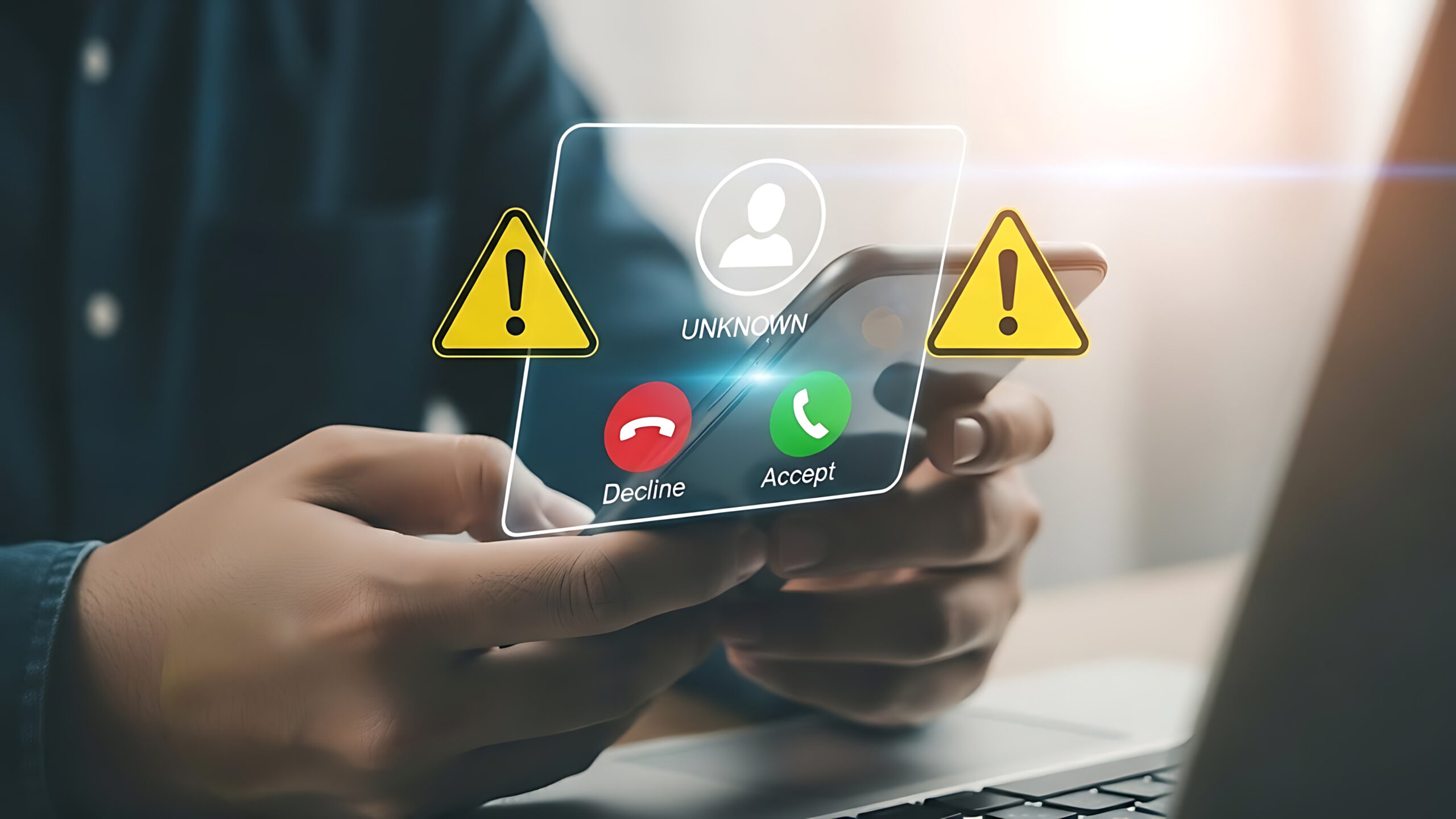
Scammers obtain personal data (sometimes via phishing or social engineering) and convince a mobile operator to transfer your number to a new SIM. Once they control your phone number they intercept OTPs and reset your bank passwords to drain accounts. SIM-swap fraud has become more common and remains a serious threat across Nigeria.
Prevention
-
Link your phone number to your National Identification Number (NIN) and insist on strict in-person SIM card replacement procedures at official outlets.
-
Use authenticator apps for critical accounts instead of SMS where possible.
-
Place a PIN or “SIM LOCK” with your telecom provider if they have one; require in-person verification for SIM card replacement.
-
Monitor for sudden loss of network service (if your phone loses signal unexpectedly, contact your mobile operator immediately).
4. Fake loan apps and “processing fee” scams
An app or website claims to offer instant loans but demands an upfront “processing” or “insurance” fee before disbursing money — then disappears or continues to ask for additional fees. These fake lenders often copy the branding of legitimate lenders to appear trustworthy.
Prevention
-
Only use apps from reputable lenders with verifiable business addresses and valid CAC/registration details.
-
Never pay an upfront fee to receive a loan. Reputable lenders deduct fees from disbursed amounts or disclose them transparently.
-
Check app reviews carefully and search for known complaints.
5. Romance & dating scams
People who fall victim to this type of scams are emotionally manipulated into sending money or sharing personal data. Scammers gain your trust over weeks or months and then fabricate emergencies, travel-cost needs, or investment opportunities. Recent arrests and EFCC investigations show romance scams are actively prosecuted, but prevention is key.
Prevention
-
Be careful of online relationships that hurry to requests for money, gifts, or sensitive personal information.
-
Verify identities: video calls, social media cross-checks, and straightforward fact-checking can reveal fakes.
-
Never send money to someone you met online who asks for funds for travel, medical bills, or business ventures.
6. ATM skimming and card-capture fraud
Criminals install a hidden card reader or a fake keypad on an ATM to copy your card details and record your PIN. They then proceed to clone your card or use the PIN to withdraw cash. ATM tampering still occurs, particularly on machines in isolated places.
Prevention
-
Use ATMs inside bank branches or in well-lit, surveilled areas.
-
Check machines for loose or mismatched parts; cover the keypad with your hand when typing your PIN.
-
Set daily withdrawal limits and alerts with your bank.
-
Consistently check your account statements and report suspicious transactions immediately.
7. USSD and mobile banking exploits
Fraudulent USSD codes, fake USSD prompts, or malicious apps trick users into authorizing transactions or revealing PINs. Scammers sometimes manipulate victims into dialing a code that grants access or submits credentials.
Prevention
-
Only use your bank’s official USSD codes and apps; confirm codes directly from your bank’s website or official channels.
-
Never dial codes provided by an unknown person or click on USSD links sent in messages.
-
Keep your phone’s operating system (OS) and banking apps updated; uninstall any app you don’t recognize.
What to do if you’re targeted or scammed
-
Act fast : Contact your bank immediately to freeze accounts or reverse suspicious transfers where possible.
-
Report the crime : In Nigeria report to the Economic and Financial Crimes Commission (EFCC), the Nigerian Police, and your bank. The Central Bank of Nigeria also offers guidance and public alerts.
-
Document everything : Keep screenshots, transaction records, message headers, and call logs — these help investigators.
-
Change passwords and revoke app access : Update all impacted accounts and remove saved payment details from compromised devices.
-
Consider credit/account monitoring : If identity data was exposed, monitor BVN and NIN-related alerts and inform your bank of potential identity theft.
Useful official resources and where to report
-
Central Bank of Nigeria (CBN) : public alerts and consumer protection guidance.
-
Economic and Financial Crimes Commission (EFCC) : reports and red-alerts about advance fee and internet fraud.
-
Securities and Exchange Commission (SEC Nigeria) : warnings about unregistered investment schemes.
-
Your bank’s fraud desk : immediate contact to freeze accounts and investigate.
Conclusion
Scammers adapt quickly, but most Nigerian financial frauds still rely on the same human errors: rushed decisions, sharing of OTPs/PINs, trusting strangers, and failing to verify credentials. Combine basic digital safety (authenticator apps, strong passwords, app and OS updates) with caution. When in doubt, make sure you pause (confirm through official channels) and report anything suspicious. That small pause is often the one decision that saves your money.
Thanks for reading and don’t forget to drop your thoughts in the comment section below. Make sure to check out our other interesting posts.